The Number Nobody Measures at the Counter
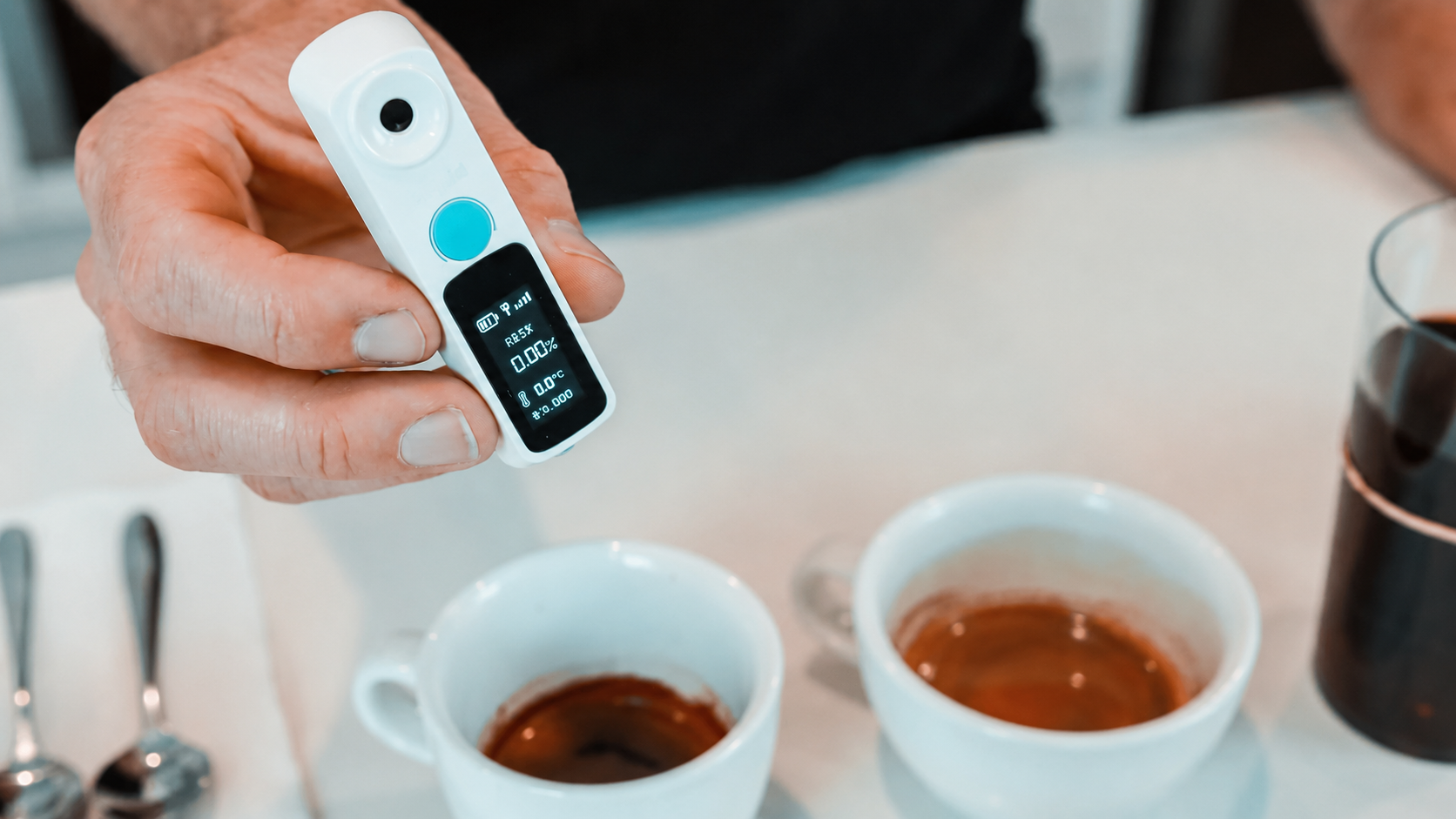
Brix is the number that tells a beverage operator whether the drink in the cup matches the drink on the spec. One degree Brix equals one gram of dissolved solids per hundred grams of solution, and it's the single most audited figure in beverage manufacturing. Inside a plant, inline refractometers measure it continuously. Inside a store, almost no one measures it at all.
That gap is where quality quietly fails. A chain can write a precise Brix target into its standards, print it in the training manual, and still serve a drink that drifts a full point or more from location to location. The target is real. The enforcement isn't. Brix variance isn't a barista mistake — it's a governance failure built into the way the drink is assembled.
Store-Level Dosing Can't Hold a Fixed Spec
The standard iced tea build targets roughly 11 Brix, and frozen beverage mixes are formulated to sit between 13 and 15. Those numbers assume the store hits the dose. It rarely does with precision.
Manual syrup pumps are the common failure point. The volume a pump delivers shifts with syrup temperature and viscosity, so a warm afternoon and a cold morning produce different sweetness from the same equipment. Traditional metering hardware is known to dispense inconsistent amounts, and the electronic valves that correct it cost two to three times as much — which is why most stores never install them.
The outcome is predictable. Sweetness, mouthfeel, and perceived quality move with whoever's on shift and how the pump was calibrated that week. The brand promises a consistent cup, and the equipment can't deliver one.
Consistency Belongs in Manufacturing. Not on the Counter.
Brix is a manufacturing property. It can be fixed once, under laboratory control, or renegotiated thousands of times a day at the counter by staff with no instrument to check their work. Only the first approach produces a governed spec.
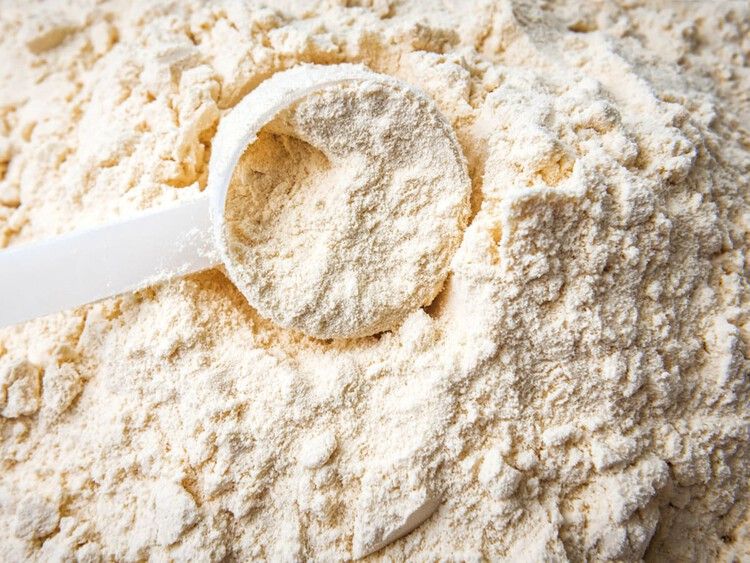
THE BASE fixes flavor and Brix in production and dries the finished formula into a soluble premix. Each serving is dosed to the same gram weight, so the sugar-and-solids ratio is locked before the pack ever reaches the store. The employee adds water to a set line. There's no pump to drift, no syrup rack to calibrate, and no room for the dose to wander.
This is what moves Brix from an aspiration in a manual to a controlled attribute in the cup. The spec is engineered into the SKU rather than requested of the crew.
A Locked Spec Survives Distribution and Scale
A governed number is only useful if it holds across distance and time. THE BASE premixes carry an 18-month ambient shelf life in high-barrier 500g doypacks, so the formula that leaves the Dubai laboratory is the formula that reaches Almaty, Riyadh, or Dallas. Halal-certified production keeps that single spec valid across the markets the chain serves.
Per-serving dosing also removes the waste that variance hides. Nothing is over-poured to compensate for an under-sweet batch, and nothing is discarded for missing the target. Every cup draws the same measured base, which is what 100% Brix consistency actually means in practice.
For a procurement lead or an F&B director, this reframes the problem. Consistency stops being a training burden that decays with turnover and becomes a fixed property of the ingredient itself.
The Practical Next Step
Teams auditing Brix variance across their locations can request a spec sheet and a per-serving sample through THE BASE product catalog, or ask for a costed model comparing store-level dosing against a fixed manufacturing spec. The measurement a plant takes continuously can finally be the one the store serves.