Karak Left Home. Your Kitchen Hasn't Caught Up.
Karak chai has done what most regional beverages never manage. It left home and kept selling.
The question for anyone running a beverage program in 2026 is no longer whether karak belongs on the menu. It's whether you can serve it profitably at commercial volume.
Most operators can't, and the reason is sitting on their stovetop.
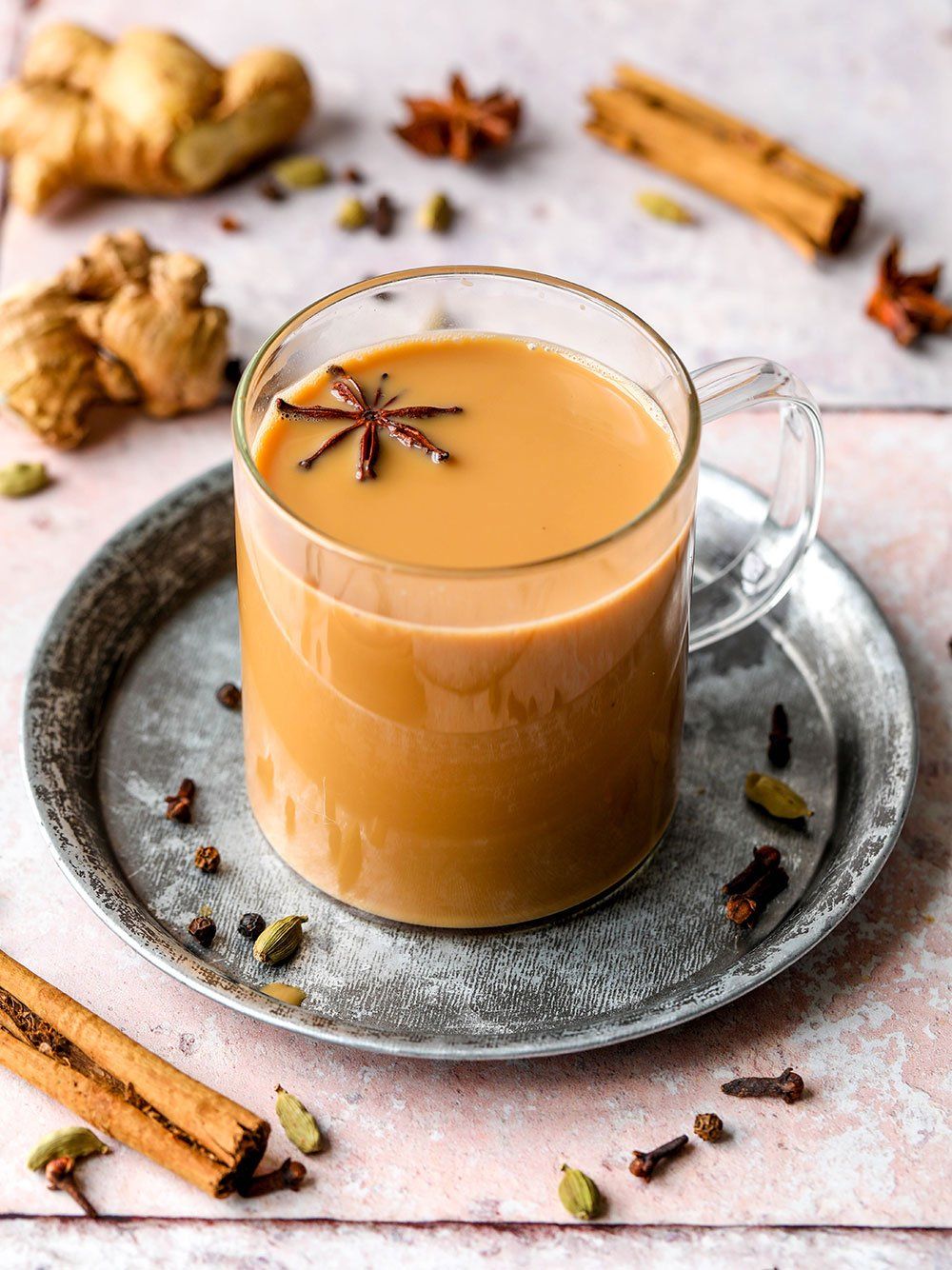
The Middle Eastern Chai Phenomenon Is Going Global
The Demand Side Isn't in Question
Start with the demand side, because it's unambiguous.
The Middle East ready-to-drink tea market is tracking from roughly $209 million in 2025 toward $322 million by 2030, a 9% compound rate, with Qatar growing fastest at 11.6%. The UAE consumes 4.7 kilograms of tea per capita — among the highest figures in the region.
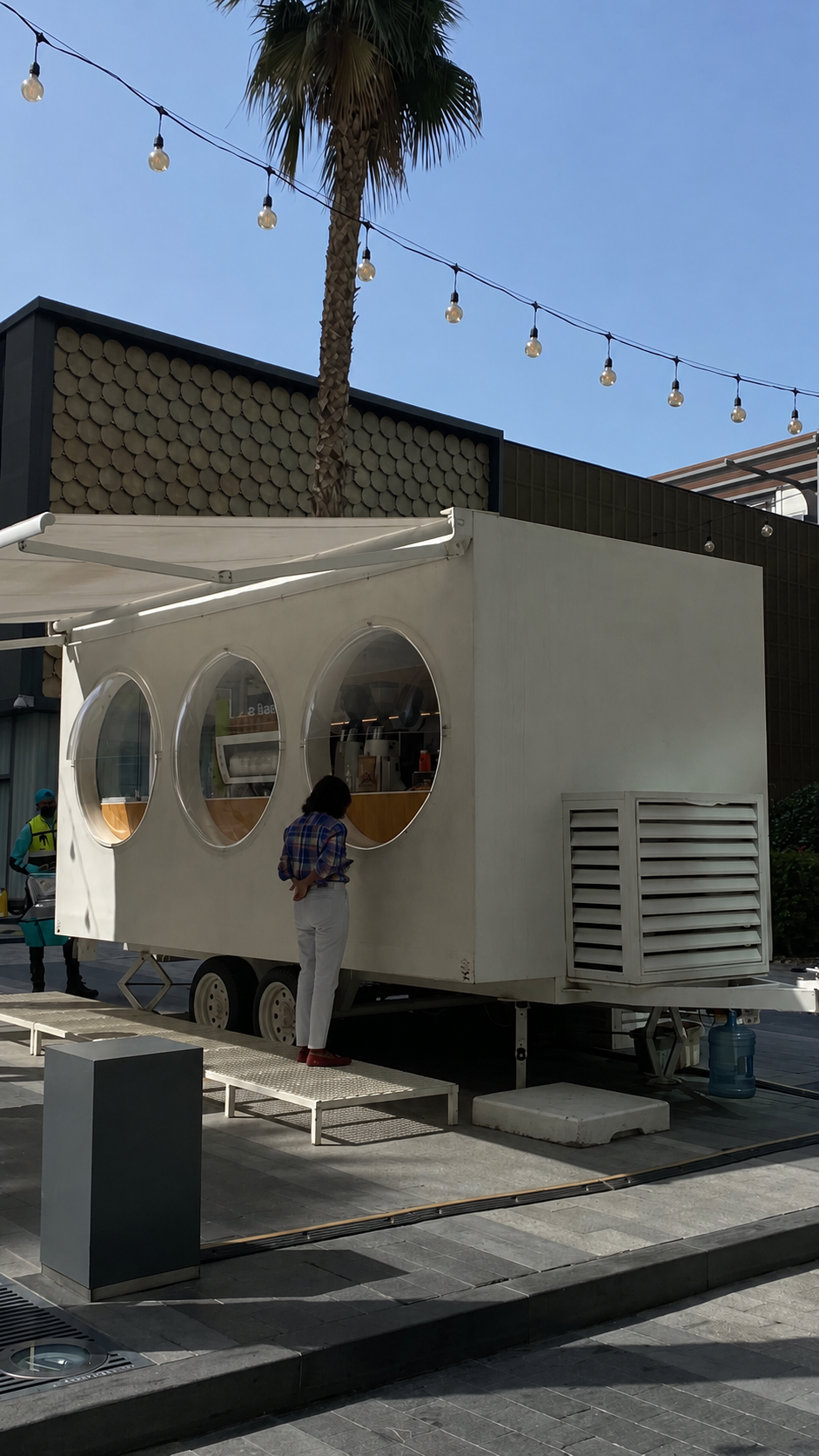
Karak sits at the center of that consumption. In Doha and Dubai, it's infrastructure, not novelty. Drivers queue at dedicated karak windows, honk, and get a cup handed through the window for under two dirhams. Thousands of them, daily.
The export story is where it gets commercially interesting. Chaiiwala of London built a franchise system past 100 units on the strength of karak and desi chai, then pushed into Canada with 25 cafes across four provinces.
Karak House is opening locations across the United States, from California to New York. Saudi coffee brands are landing in the Bronx. London's specialty scene now treats karak as a category, not a curiosity.
The format trend runs parallel. The global chai tea latte powder segment is compounding at 8.6% annually, and foodservice is the dominant application. Cafes, hotel F&B, and QSR chains aren't buying loose spice blends — they're buying soluble systems, because powder is the only format that survives contact with real throughput.
Put those two curves together: a flavor profile with proven daily-habit economics in its home market, accelerating adoption in Western cities, and a supply format already normalized by the chai latte category.
That's about as clean as a category entry signal gets. The execution risk sits entirely in the back of house.
The Operational Nightmare of Scratch-Cooking Karak Chai
What the Authentic Build Actually Demands
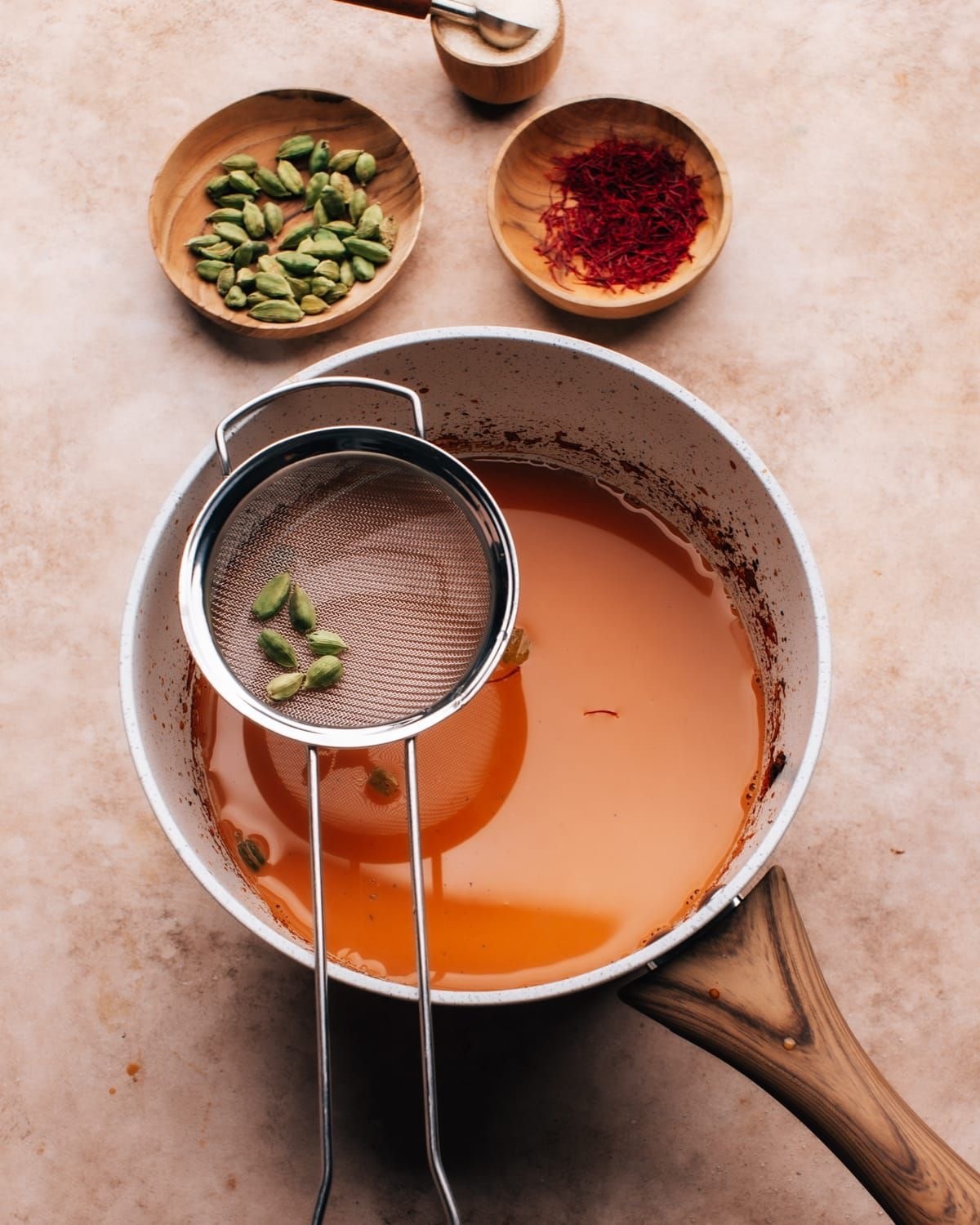
Here's what the authentic build actually requires: CTC black tea boiled hard in water, evaporated milk added, then a cycle of simmering, resting, and re-boiling until the liquor turns dark caramel.
Fifteen to twenty minutes, minimum, with a person watching the pot the entire time.
In a Gulf karak shop with one dedicated burner and one dedicated worker, this works. In a mixed-menu cafe running a full ticket rail, it fails on four fronts.
Consistency collapses across shifts. Karak is a four-variable system — tea extraction, milk caramelization, cardamom volatiles, and sugar balance all move with heat, time, and operator attention. Evaporated milk is especially unforgiving: its concentrated lactose and proteins caramelize beautifully for two minutes and scorch in the third. Whoever grew up drinking karak — precisely the customer driving your demand — will taste the difference between your Tuesday and Thursday batches. You're charging an authenticity premium for a product you can't reproduce.
The ticket time is disqualifying. Benchmark handoff in drive-thru coffee is roughly 40 seconds. Queue research shows customers abandoning after five to seven minutes. A 20-minute brew cycle isn't a service model, so operators batch ahead — which trades the speed problem for a spoilage problem.
Boiled milk tea is a two-hour asset. Food safety guidance caps milk-based beverages at about two hours in the danger zone, and sensory quality dies faster than that. Cardamom's key aromatics are volatile terpenes that flash off on the hot plate. The batch brewed at 9 AM is a different, worse drink by 10:30, and by noon it's drain-bound. Every slow daypart converts directly into poured-out food cost.
Waste compounds invisibly. Unmetered sugar dosing, eyeballed spice loads, saffron at $5,000 per kilo sitting in an open container on the line. None of it shows up on one invoice. All of it shows up in your month-end variance.
Run the math honestly and scratch karak lands in the worst quadrant of the beverage portfolio: high labor, high waste, unstable output, and a hard ceiling on volume.
The drink deserves better operations than that.
Moving the Chemistry Upstream
The objection every F&B director raises at this point is legitimate. Standardization usually means flattening, and a flattened karak is just sweet milk tea with a marketing problem.
The answer is to move the hard chemistry upstream, into the formulation stage, where it can actually be controlled.
That's the design brief behind THE BASE's dry soluble karak and chai latte concentrate. The tannic CTC extraction, the cooked-milk caramel note that evaporated milk contributes, the cardamom load, and the Brix balance are fixed at the formulation bench, under process control, then stabilized in a dry matrix where the volatiles stop evaporating on a hot plate.
What reaches your bar isn't an ingredient kit. It's the finished flavor system, in shelf-stable form.
The operational line changes immediately. Dose, dissolve in hot water or steamed milk, serve. Thirty seconds per ticket, no dedicated burner, no pot-watcher on payroll.
Cup 400 on Friday matches cup 1 on Monday, because the extraction variables were retired before the product ever shipped. Waste approaches zero, because you prepare per order against a long ambient shelf life instead of brewing against a demand forecast. And food cost per cup becomes a fixed number you can plug into menu pricing, not a variable you reconstruct at month-end.
For multi-site operators, there's a second-order benefit: one SKU, one par level, one training module across every location, available at karak tea wholesale volumes.
Chains that want to own the flavor outright can take the same base into private label formulation and turn "our signature karak" into a brand asset rather than a laminated recipe card.
Three Builds, One Line on the Procurement Sheet
A standardized base is a platform. Here are the three builds that earn their menu slots.
- Classic Hot Operational Karak. The anchor SKU. Base plus hot water, finished with steamed milk for the dense mouthfeel the traditional evaporated-milk build delivers. Serve it small, 6 to 8 ounces, priced for frequency rather than check size. The GCC proved that karak economics run on the daily repeat. Your goal is the habit loop, and a 30-second handoff is what makes the habit loop physically possible at a Western counter.
- Iced Salted Caramel Karak. The crossover play for customers who've never heard the word karak. Base shaken over ice, salted caramel syrup, cold foam, drizzle. Salt bridges the tannic backbone and the caramel sweetness, and the cardamom reads as intrigue rather than ethnography. It photographs well, carries a premium price point, and pulls the existing chai latte crowd across without a syllable of customer education.
- Karak Coffee Shop Frappe. The summer daypart rescue. Base, milk, ice, blended, with an optional espresso shot sold as a "dirty karak" upsell. Blended drinks command the highest prices in the specialty category while incremental ingredient cost stays flat, and the frappe format keeps karak selling through the exact months its hot format goes quiet.
Three drinks, three price points, three dayparts, one line on the procurement sheet. That's the whole playbook.
Karak's demand curve is already built and climbing at double digits. The margin goes to operators who stop treating a 20-minute stovetop ritual as a production method and start treating flavor as a solved input.
Sample the commercial karak base and run your own cup-cost math. The spreadsheet will finish the argument.