Here's the polished version:
Cold Foam Went Mainstream — The Prep Method Stayed Stuck in the Cafe Era
Cold foam moved from a seasonal novelty to a permanent fixture on beverage menus across coffee chains, fuel networks, and quick service formats. Consumers now expect a dense, sweet cap on cold brew and iced lattes, and they order it year-round. The cold brew category alone is projected to grow from $3.24 billion in 2025 to $8.36 billion by 2031, a compound annual rate above 17%.
The product scaled. The preparation method didn't. Most operators still build cold foam the way a specialty cafe did five years ago — frothing dairy or a liquid concentrate to order at the station. That approach was defensible when cold foam was a differentiator. It becomes a liability once it's a baseline expectation on every second ticket.
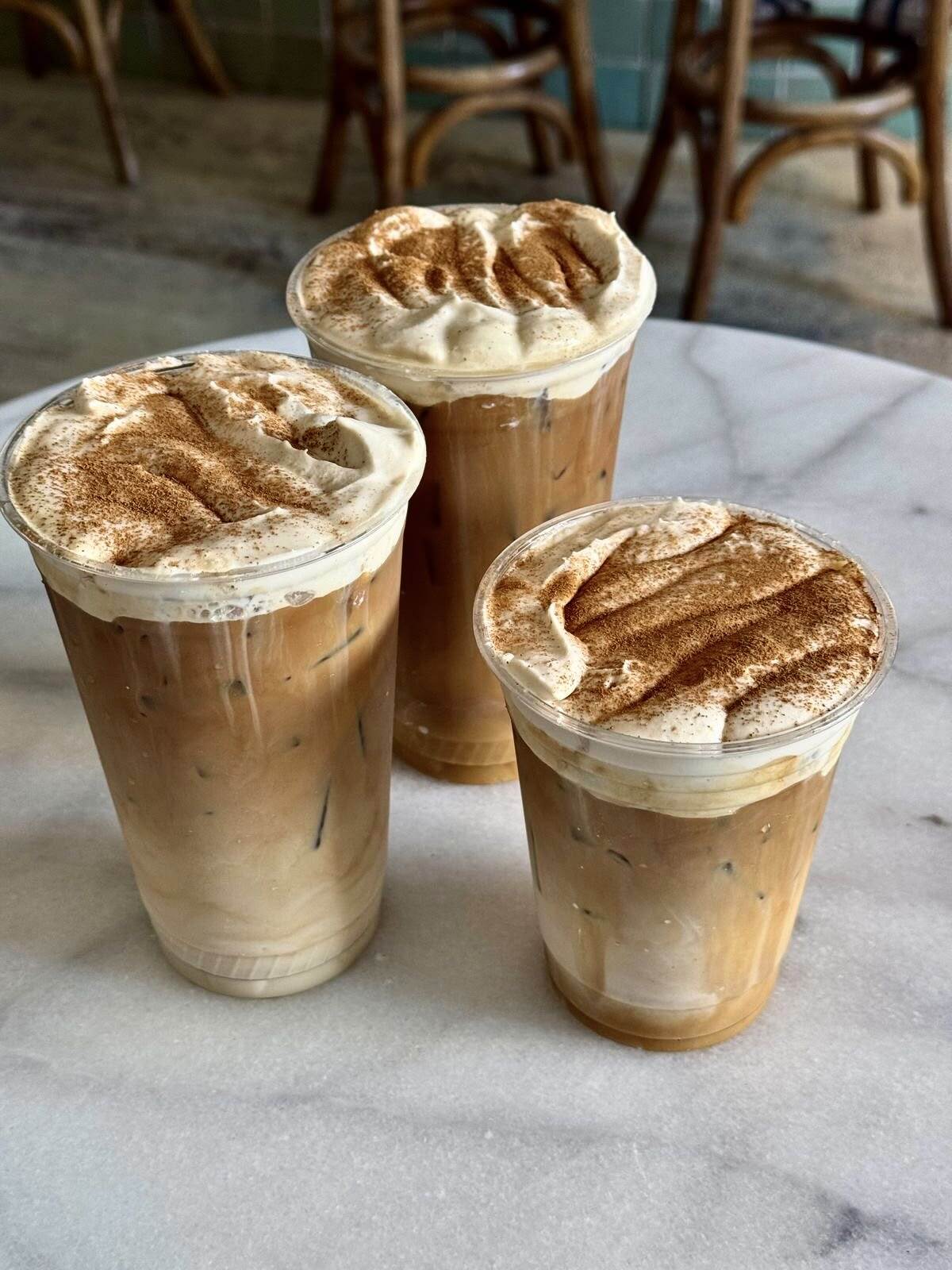
Cold Foam Became a Menu Standard — The Prep Stayed Artisanal
In 2025, US consumption of espresso-based and cold specialty drinks reached 45% of servings, and cold foam sits on top of that shift. Chains layer regional flavor foams to drive social traction, and each variant adds a menu line and a preparation step.
The result is menu ambition running ahead of the build. A store that offers four foam flavors is running four unmeasured pour routines, each dependent on who's working the station. The output looks premium on the menu board and inconsistent in the cup.
Every foam is still assembled by hand. That's the structural problem hiding under a popular product.
Every Foam Cap Is Billed in Barista Minutes — The Cost Compounds at Volume
Labor now accounts for 50 to 60% of total operating costs in the typical cafe, which leaves almost no room for a process that spends seconds of skilled time on every drink. Multiply a hand-frothed cap across thousands of tickets, and the foam becomes one of the most labor-intensive items on the menu.
The workforce that makes it isn't stable. Restaurant turnover has run close to 80% a year, and replacing a single hourly worker costs roughly $2,706. QSR labor costs rose 6.3% in 2024 on their own. Every departure resets whatever muscle memory the foam routine depended on.
So the operator pays twice — once for the minutes each foam consumes, and again each time the person who learned the routine walks out the door.
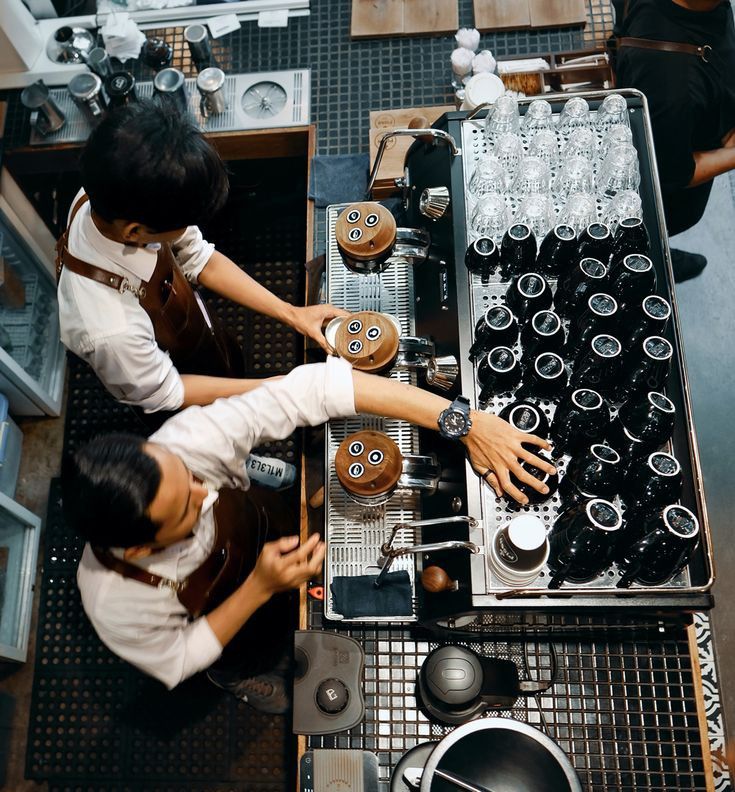
A Soluble Foam Base Removes the Variable — Reconstitution Replaces Whipping
THE BASE manufactures the cold foam as a dry soluble premix rather than a station technique. The foam is dosed per serving and reconstituted in 15 to 60 seconds, with 100% flavor and Brix consistency across every shift and every location. The recipe lives inside the sachet, not inside the barista.
The format carries its own economics. The base holds 18 months of ambient shelf life, ships in high-barrier 500-gram doypacks, and doses to zero waste because each serving is measured. Flavor variants become separate SKUs on a shelf, not separate routines to train.
This is an ingredient decision, not an equipment one. The store keeps its existing workflow and swaps an artisanal step for a measured pour that any cashier-level hire can execute on day one. Production is halal certified out of Dubai.
The Menu Can Scale Without the Labor — The Next Step Is a Costed Model
Cold foam isn't going back to novelty status. The demand is durable, and the pressure it puts on labor is durable with it. The question for a multi-site operator is whether the foam stays a hand-built product or becomes a reconstituted one.
The move is straightforward to evaluate. Request a sample of the cold foam base, pull the spec sheet, or ask for a costed per-serving model against your current labor line through THE BASE product catalog. The comparison is a single line item — and it's the one growing fastest on your menu.