Two Growth Categories in One Cup
Matcha is the rare menu item that sits in two growth categories at once: natural energy and wellness.
Weight for weight, matcha carries more caffeine than coffee beans, though a serving uses far less powder. The release is slower and steadier, which is exactly why wellness-minded customers order it as a daily driver rather than an occasional treat.
The leaf also brings antioxidants, vitamins A, C, E, K, and the B group, plus minerals including zinc and magnesium. Customers know this. It's half the reason they order it.
The Business Case in Three Numbers
Margin. Industry analyses put the profit potential of foodservice matcha beverages at up to 80%. A green latte is one of the highest-margin drinks a bar can pour.
Growth. The category is tracking roughly 10% annual growth for the next decade and has already passed a billion dollars a year in the US alone.
The next wave. Flavored matcha, including matcha boba drinks, is the fastest-rising segment — up more than 200% in recent years. Plain matcha gets the customer in. Mango matcha keeps them coming back.
Real Matcha and the Imitation Problem
Popularity attracts shortcuts. Knowing the quality signals protects your menu.
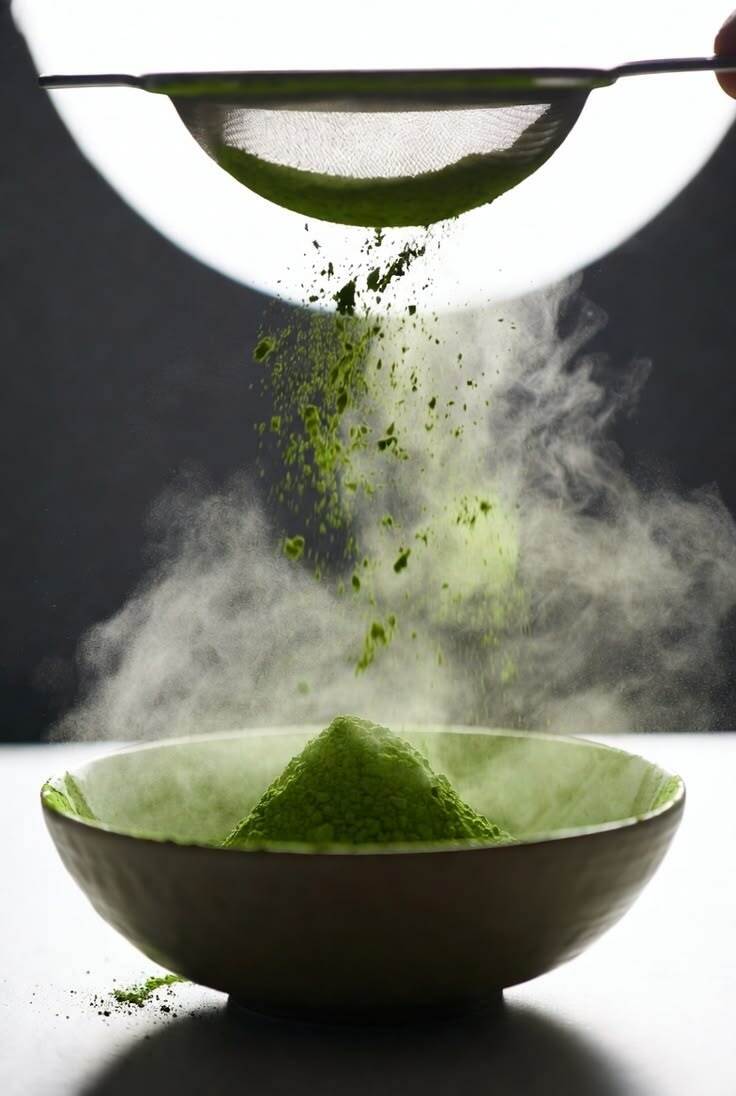
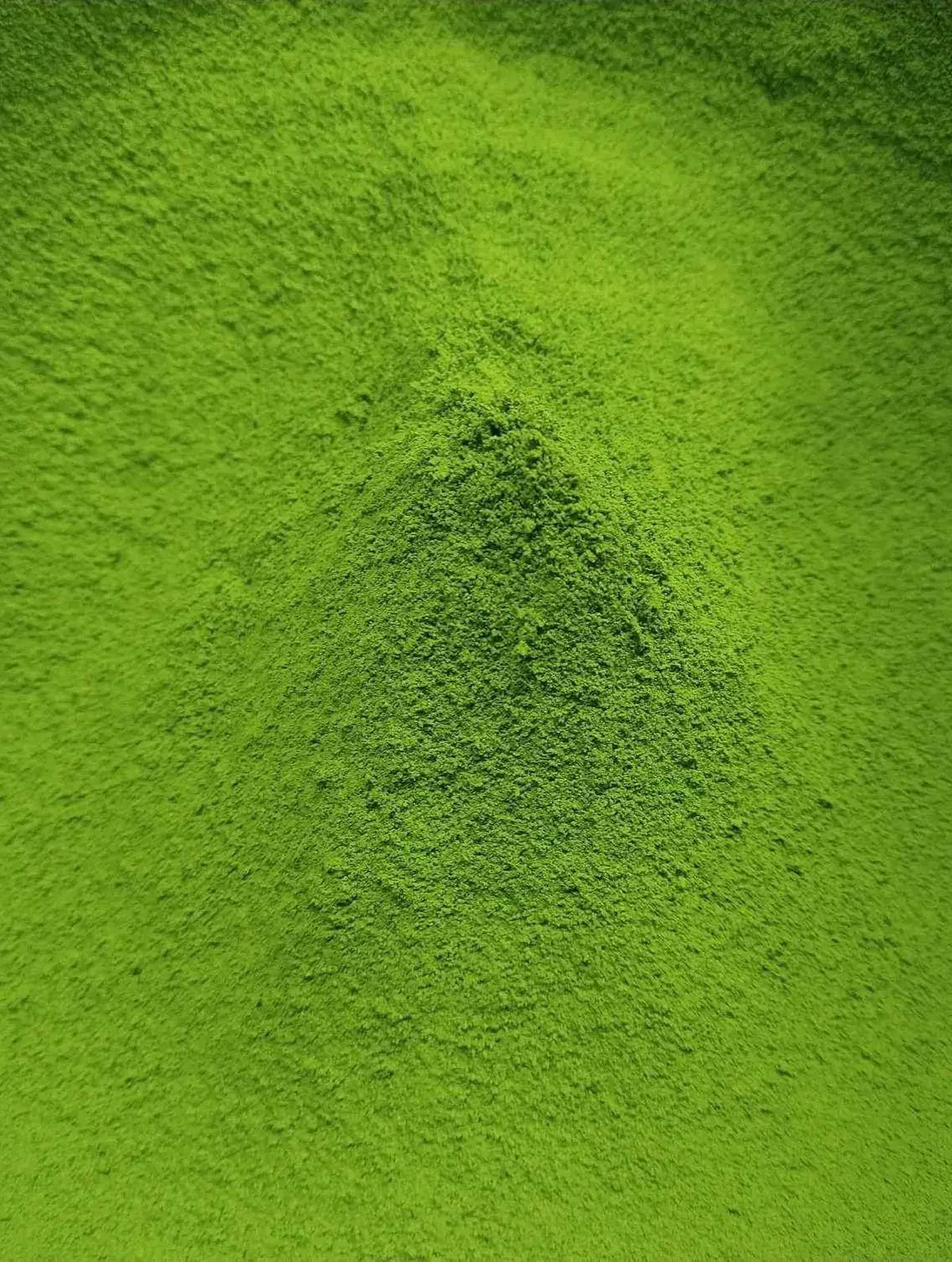
Authentic matcha is shade-grown, and that shading is what builds the vivid green color and the umami depth. Quality matcha is never dull or brownish in the cup, and it's never aggressively bitter. Dull color and harsh bitterness are the two loudest warnings of a low-grade or imitation powder.
THE BASE Matcha Classic is built on leaf selected for exactly these markers. Color, umami, and clean flavor are locked at formulation and verified batch by batch in our Dubai laboratory, so the cup you serve in month one is the same cup you serve in month eighteen.
The Matcha Shot: One Foundation, a Whole Menu
Espresso built the modern coffee menu because one concentrated shot became the base of every drink. Matcha works the same way.
With Matcha Classic, the shot is a fixed dose of base dissolved in a small amount of hot water. No sifting, no whisk, no technique. From that one foundation, the bar builds the entire green side of the menu.
- Hot Matcha Latte. 20g of base, 200ml of milk, steamed to 65°C. About one minute, start to cup.
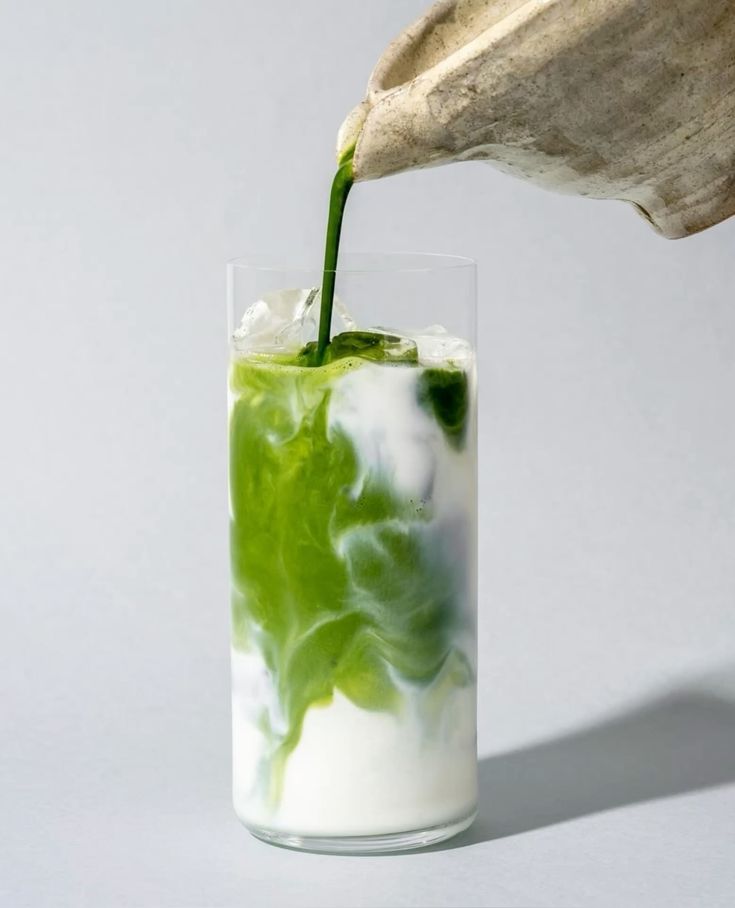
- Iced Matcha Latte. The same dose, built over ice with cold milk. No batch concentrate, no refrigerator clock.
- Flavored matcha. Mango, strawberry, coconut, pistachio. One base plus one flavor note equals a new menu line.
- Matcha boba. The base pairs directly with standard toppings for the fastest-growing format in the category.
Every variant runs on the same single-step system, which means every variant is executable by any member of staff on their first shift.
The Short Version
Matcha is caffeine plus wellness plus an 80% margin ceiling, in a category still growing double digits. The only real obstacles are ingredient quality, price volatility, and prep complexity.
A stabilized soluble base removes all three at once. The menu gets the green cup. The operation never feels the ceremony.
Explore Matcha Classic and the full matcha recipe cluster, or request a sample for your bar.