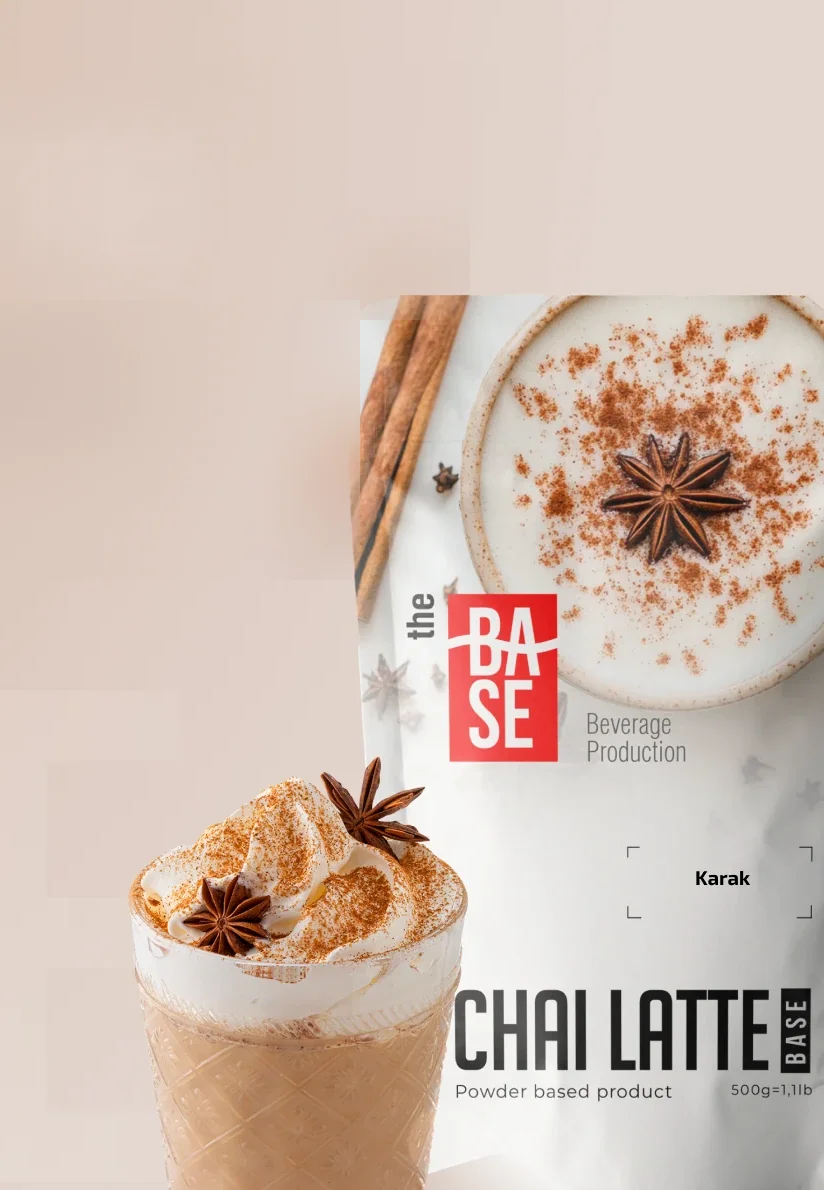
To test drink premix samples properly, prepare every sample at the supplier's standard dose next to your current product, then score each cup blind on flavour, texture, solubility and consistency. A single tasting at the bar tells you little. A short structured trial, including a busy shift, shows whether the product will hold up on your menu.
What should you ask for with premix samples?
Ask for samples of the exact lines you plan to buy, in the flavours you sell today. A café switching its chai, frappe and iced tea should test those three bases, not a generic tasting kit.
Request these alongside the samples:
- Dosing card for each base: grams of powder, liquid in ml, cup size and method
- Ingredient list and allergen information for every SKU
- Certificates for your market, for example Halal, HACCP and ISO 22000
- Shelf life and storage conditions
- Commercial terms: minimum order and lead time
Without a dosing card, baristas guess the dose, and the trial compares guesses instead of products.
How do you run a fair side by side trial?
Remove every variable except the base itself.
- Use the same milk, water, ice and cup for every sample.
- Weigh the powder on a scale. Do not use scoops during a trial.
- Prepare the new sample and your current product at the same time, by the same barista.
- Label cups with numbers only, so tasters do not know which is which.
- Taste hot drinks at serving temperature and again a few minutes later, when sweetness and texture change.
- Repeat on a different day with a different barista.
Involve the people who make and sell the drink: your head barista, one floor staff member and the person who handles purchasing.
Which doses should you use for the test?
Use the supplier's standard, not your current recipe adjusted by feel. For reference, these are the standard builds the Base uses for its bases:
- Chai Latte: 25 g base, 150 ml milk or water, 8 oz cup, steamed or stirred
- Raf: 20 g base, 200 ml milk, 20 ml espresso, 8 oz cup, steamed
- Chocolate: 35 g base, 200 ml milk, 8 oz cup, steamed
- Frappe: 35 g base, 200 ml milk, 150 g ice, 14 oz cup, blended 30 seconds
- Iced Tea: 20 g base, 150 ml water, 150 g ice, 12 oz cup, shaken
- Cordial: 15 g base, 150 ml sparkling water, 150 g ice, 12 oz cup, built in glass
Leave 10 to 20 ml headroom in the cup. If a drink only tastes right at a much higher dose than the card says, your cost per cup changes, so note it.
What should you score during the tasting?
Use a 1 to 5 score on the same sheet for every cup:
- Flavour: does it taste like the menu name, without artificial aftertaste?
- Sweetness balance: is there room for a flavour accent without the drink becoming too sweet?
- Solubility: any lumps or sediment after steaming, stirring or blending?
- Texture: body in milk drinks, foam stability, smoothness when blended
- Iced performance: does flavour hold as ice melts?
- Plant milk: test with the oat or almond milk you actually stock
- Speed at the bar: time from order to hand off
A product that wins the tasting can still fail in operations. Before ordering, check lead time against the stock you can hold, whether the next batch will match the sample, and whether the supplier helps with recipe cards and staff training.
Where the Base fits
the Base makes dry beverage bases and pure powders in its own factory in the UAE, certified Halal, HACCP and ISO 22000. The range covers 600+ flavours across 24 product lines, used in 5,000+ outlets in 26 countries. Samples are free, there is no minimum order, and lead time starts from 15 days.
Every base has a standard dose, so a trial can be run exactly as described above. The Raf base contains no coffee, so you test it with your own espresso. Bases are medium sweet, work with plant milk and can be served iced. You can compare lines such as chai latte and frappe in one tasting at the Al Quoz showroom. For chains, the team also develops custom bases and signature drinks after the trial stage.
FAQ
How many premix samples should a café test at once?
Keep each session to a few bases. Tasters lose accuracy after many cups, so split a large range across separate sessions.
How long should a premix trial last?
Run the blind tasting on more than one day, then use the shortlisted product in real service, including a busy period. This shows whether staff prepare it consistently under pressure.
Should I test premixes with both dairy and plant milk?
Yes, if you sell both. Powders can behave differently in oat or almond milk, so test with the exact plant milk on your bar.
Can I taste at the showroom instead of ordering samples?
Yes. The showroom in Al Quoz Industrial Area 2, Dubai, is open Monday to Saturday, 9:00 to 18:00, and closed on Sunday.
Request free samples through our contacts page or visit the Al Quoz showroom to run your tasting with our team.