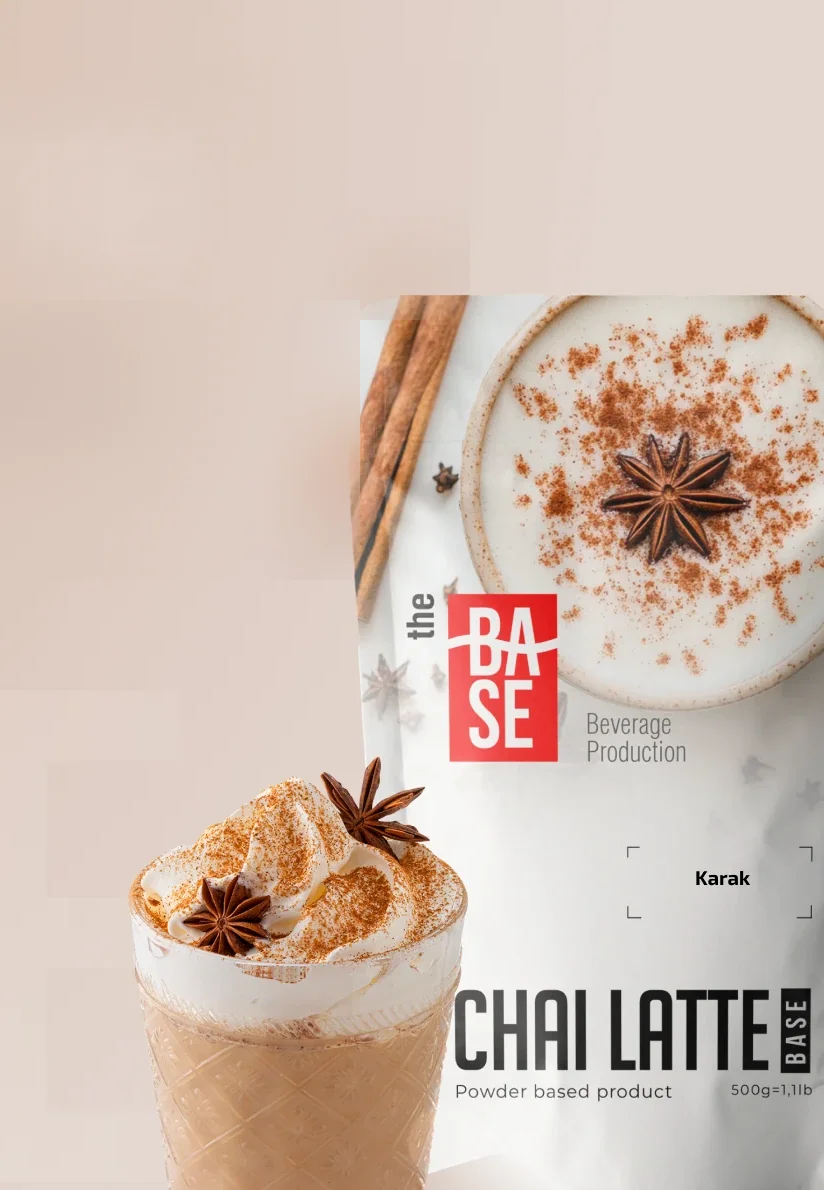
Before a distributor adds a drink premix brand, it should check five things: food safety and Halal certification, range depth across the drink categories its accounts sell, minimum order and lead time, yield per kilo at the bar, and the support the brand gives baristas after the first order. A brand that passes all five can be listed, sampled and reordered without the distributor carrying the risk alone.
Which certificates should a premix supplier have?
For HoReCa accounts in the Gulf, Halal is not optional. Market entry guides describe it as effectively table stakes in most foodservice venues, and the same source notes that import registration in the UAE is lodged by a licensed local importer, so the distributor is usually the party that clears the product.
Ask the brand for:
- A valid Halal certificate from a recognised body, with the product names matching your SKU list.
- A food safety system certificate, such as HACCP and ISO 22000.
- Specification sheets and labels for each SKU, ready for registration in your market.
- Shelf life and storage conditions in writing, so your warehouse team can plan stock rotation.
If the certificates name a different factory from the one that will ship, ask why before you sign.
How deep should the range be?
One hero flavour rarely keeps a café account. Coffee shops, hotels and restaurant chains buy across several drink formats, and they prefer one supplier for most of them. Check whether the brand covers:
- Hot milk drinks: chai latte, chocolate, matcha, coffee bases such as Raf and Cream Latte.
- Blended drinks: frappe and milkshake.
- Cold drinks: iced tea, cordial, jam and fruit tea.
- Finishing products: toppings for cold foam, sauces, freeze dried garnish.
What MOQ and lead time can a distributor live with?
High minimum orders push stock risk onto the distributor. When you are testing a new brand in a new market, you want to order small, see sell through at a few accounts, then scale.
Ask for:
- The real minimum order per SKU and per shipment.
- Lead time from purchase order to dispatch.
- Whether mixed SKUs can share one pallet.
- Who pays for samples used in account trials.
How do you calculate yield per kilo?
Price per kilo means little until you convert it into drinks. Use the brand's own standard dose. Here are the doses from the Base bar standard and what they give per 1 kg bag:
| Base | Dose | Liquid | Cup | Drinks per 1 kg | |---|---|---|---|---| | Chai Latte | 25 g | Milk or water 150 ml | 8 oz | 40 | | Chocolate | 35 g | Milk 200 ml | 8 oz | about 28 | | Frappe | 35 g | Milk 200 ml, ice 150 g | 14 oz | about 28 | | Iced Tea | 20 g | Water 150 ml, ice 150 g | 12 oz | 50 | | Cordial | 15 g | Sparkling water 150 ml, ice 150 g | 12 oz | about 66 |
With these numbers your sales team can show an account its cost per cup on the spot. A brand without a fixed dose per cup size will produce inconsistent drinks.
What support should the brand give your accounts?
Distributors win reorders when the drink tastes the same in every outlet. Check whether the brand provides:
- Written recipe cards with doses, cup sizes and method for each product.
- Menu development help for chains and larger accounts.
- Training for your sales team and for client baristas.
- Custom or signature drinks for key accounts that want something no one else on the street sells.
Where the Base fits
the Base is a Dubai based B2B manufacturer of dry beverage bases and pure powders with its own factory in the UAE. The company is Halal, HACCP and ISO 22000 certified and makes 600+ flavours across 24 product lines, from chai latte and frappe to iced tea, cordials, toppings and matcha. Its products are used in 5,000+ outlets in 26 countries.
For distributors this means no minimum order, lead time from 15 days, free samples for account trials, and a fixed dosing standard for every product. the Base develops signature drinks and custom bases for chains, helps with menu development, and runs masterclasses for groups of 20+ people, which distributors can use to activate their own client base.
FAQ
Do I need a separate Halal certificate for each SKU?
Check how the certificate is issued. Many certificates list products by name, so confirm every SKU you plan to import appears on it before the first shipment.
Is there a minimum order to start distributing the Base?
No. There is no minimum order, so a distributor can start with a mixed trial order and scale by SKU once accounts reorder.
How many drinks does 1 kg of premix make?
It depends on the dose. At the Base standard doses, 1 kg of chai latte base makes 40 drinks of 8 oz, and 1 kg of iced tea base makes 50 drinks of 12 oz.
Can the Base create a product for one of my key accounts?
Yes. the Base develops custom bases and signature drinks for chains, and the request can come through the distributor.
Request free samples at /contacts, or visit the showroom in Al Quoz Industrial Area 2, Dubai, Monday to Saturday from 9:00 to 18:00.