HACCP is a method for finding and controlling food safety hazards at specific points in production. ISO 22000 is a full food safety management system standard that has HACCP built in and adds management review, documented procedures and continual improvement. For a café or hotel buying drink powders, an ISO 22000 certificate issued by an accredited body is the stronger evidence, but only after you have checked its scope, site and validity.
What is the difference between HACCP and ISO 22000?
HACCP (Hazard Analysis and Critical Control Points) is built on seven principles:
- Analyse hazards (biological, chemical, physical).
- Identify critical control points.
- Set critical limits for each point.
- Monitor each point.
- Define corrective actions.
- Verify the system works.
- Keep records.
ISO 22000 wraps those principles into a management system that runs on the Plan, Do, Check, Act cycle and covers the whole operation, including prerequisite programmes such as hygiene, maintenance, training and supplier control. As DNV explains, ISO 22000 is a certifiable standard audited by third parties, while standalone HACCP certification exists but is less common.
In practice:
- HACCP alone shows the supplier has a hazard plan for its process.
- ISO 22000 shows that plan sits inside a system that is audited, reviewed by management and kept up to date.
Which one should a beverage powder supplier in Dubai have?
Dubai Municipality expects food businesses to run a documented food safety management system. Its halal assurance standard DMS 032 states that for food products, halal assurance must be combined with a food safety system such as HACCP or ISO 22000.
For a manufacturer supplying many outlets, ISO 22000 is the practical minimum a procurement team should accept. It tells you hazards are controlled at the factory, not only described in a document.
Where do FSSC 22000 and GFSI come in?
Large chains, hotel groups and caterers often require a GFSI recognised certificate in their supplier procedures. ISO 22000 on its own is not GFSI benchmarked. FSSC 22000 is built on ISO 22000 plus additional prerequisite programme requirements, and it is GFSI approved.
If you run a single café, ISO 22000 with HACCP and halal is normally enough. If you buy for a group with a central quality team, check its supplier policy first: it may name the exact schemes it accepts.
How do you verify a supplier's food safety certificate?
A logo on a website or a brochure is not proof. Run five checks:
- Get the full certificate, not a cropped image. It should show the company name, site address, standard, scope, certificate number and dates.
- Check the certification body. Look up the certificate or the body on IAF CertSearch, the global database of accredited certifications.
- Read the scope line. It should cover manufacturing of the products you buy, for example powdered beverage mixes. A certificate for a trading office does not cover a factory elsewhere.
- Match the site. The address on the certificate should match the factory named on the label or specification sheet.
- Check the dates. Confirm the certificate is valid today and ask when the last surveillance audit took place.
What documents should a café request with each product?
Ask for these before the first order and keep them on file for inspections:
- Product specification: ingredients, allergens, storage conditions, shelf life, dose per drink.
- Halal certificate for the product or the producing site.
- Allergen statement, including milk, soy and gluten where relevant.
- Certificate of Analysis for the batch, if your quality team requires one.
- Lot code on every pack, so a batch can be traced back to production.
A supplier with a working ISO 22000 system should be able to send all of this quickly. Long delays are a signal worth noting.
Where the Base fits
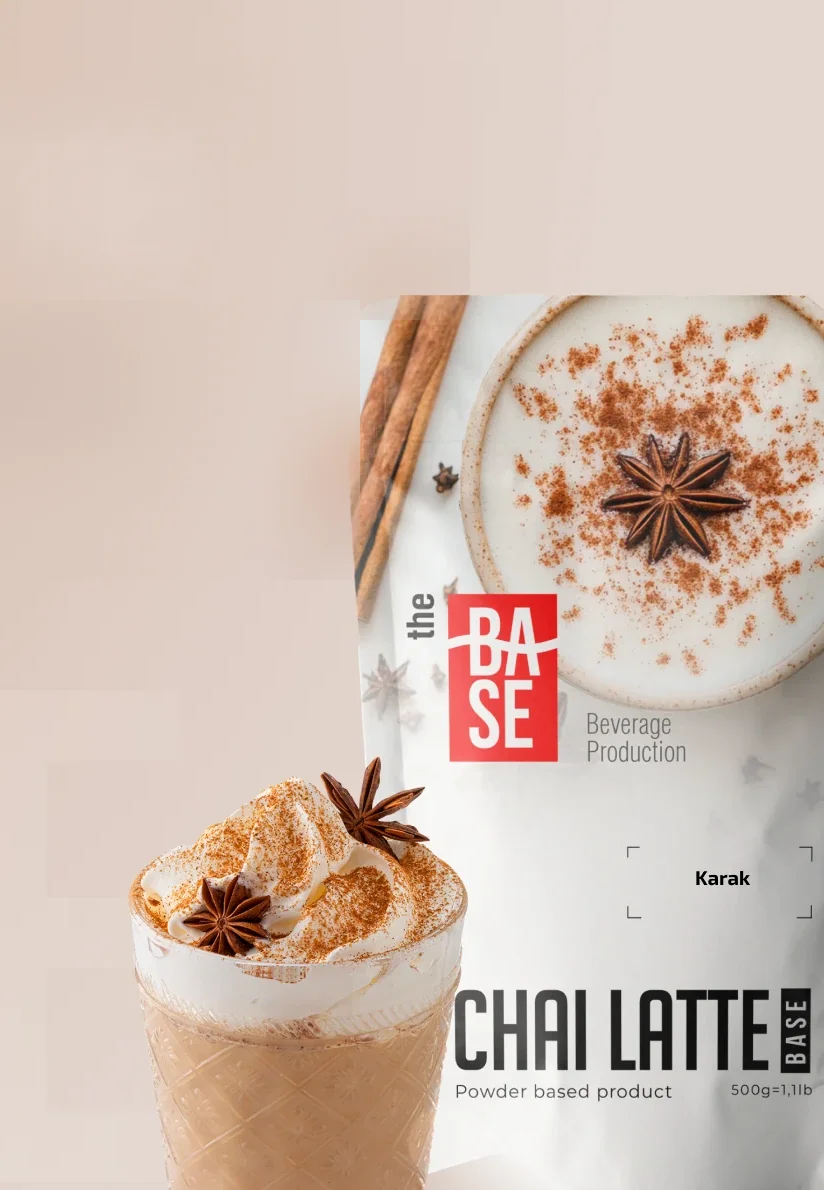
the Base makes dry beverage bases and pure powders in its own factory in the UAE. Production is Halal, HACCP and ISO 22000 certified. The range covers 600+ flavours across 24 product lines, used in 5,000+ outlets in 26 countries.
For buyers this means:
- Certificates and product specifications for lines such as Chai Latte, Frappe and Matcha are available on request.
- No minimum order, lead time from 15 days, free samples for trials.
- Custom bases and signature drinks for chains, plus help with menu development.
Requests for documents go to sales@thebasebev.com or through the contacts page.
FAQ
Is HACCP mandatory for cafés in Dubai?
Dubai food establishments must operate a documented food safety management system and have a trained, certified Person in Charge. Most cafés build that system on HACCP principles. Check current Dubai Municipality requirements for your licence type.
Is ISO 22000 better than HACCP?
ISO 22000 includes HACCP and adds a full management system with third party audits. For a supplier, it is broader evidence than a HACCP certificate alone.
Does ISO 22000 meet GFSI requirements?
No. ISO 22000 alone is not GFSI benchmarked. FSSC 22000, which is based on ISO 22000, is GFSI approved.
Can I see the Base certificates before ordering?
Yes. Ask sales@thebasebev.com for the Halal, HACCP and ISO 22000 certificates along with specifications for the products you plan to trial.
Request free samples at /contacts or visit the Al Quoz showroom, Monday to Saturday, 9:00 to 18:00.