A halal certified drink premix is only as reliable as the certificate behind it. Before a powder goes on your menu, check that the certificate comes from a body registered with the UAE Ministry of Industry and Advanced Technology (MoIAT), that it names the exact products you buy, and that it is still valid. Then read the ingredient specification for the few components where animal origin usually sits: dairy powders, emulsifiers, gelatin, colours and flavour carriers.
Is halal certification mandatory for drink powders in the UAE?
Not in every case, which is exactly why buyers get caught out. Two rules apply:
- The claim rule. Under Cabinet Decree No. 10 of 2014, any product sold, stored or marketed as halal must comply with the UAE halal regulations, and the certificate must come from a certification body registered by MoIAT (summary of the rules).
- The ingredient rule. The Dubai Municipality Food Code requires halal certificates for foods that contain ingredients of animal origin, with gelatin named as the example.
For a café, the practical reading is simple. If your menu, delivery listing or packaging says halal, every ingredient behind that claim needs to be covered. And in the GCC most guests assume a café drink is halal whether you print it or not, so treat certification as a purchasing requirement, not a marketing extra.
Which ingredients in a drink premix carry halal risk?
Dry beverage bases are mostly sugar, milk or plant powders, cocoa, tea and flavour. The risk is concentrated in a short list:
- Dairy powders and whey. Whey comes from cheesemaking, and cheese can involve animal rennet. Ask for the source.
- Emulsifiers. Mono and diglycerides and similar emulsifiers can be made from plant or animal fat. The specification should state which.
- Gelatin. More common in garnishes, marshmallow pieces and some toppings than in the base itself.
- Colours. Some red and pink colours are insect derived. Ask the supplier to confirm the source of every colour.
- Flavour carriers. Liquid flavours can be dissolved in a solvent. Ask whether the carrier is alcohol free.
A valid halal certificate means the certifier has already checked these. Your job is to confirm it covers what you buy.
How do you check a supplier's halal certificate?
Six checks, all doable from a desk before the first order:
- Issuer is registered and active. Search the certification body on MoIAT's register of halal certification bodies. Each entry shows status (Active, Expired or Suspended), fields, accreditor and expiry date.
- The field covers food. A body registered only for slaughterhouses should not be certifying beverage powders.
- Your products are listed. A certificate covers the products and sites printed on it. A new flavour or a second factory needs an updated certificate.
- Both expiry dates are valid. The certificate has its own expiry, and so does the certifier's MoIAT registration.
- Names match. Manufacturer name and plant address on the certificate should match the label and the invoice.
- Originals for imports. If you import directly, Dubai Municipality wants original certificates at the port. Its own data lists "Halal Certificate only copy submitted" as a recorded contravention.
Buying from a factory inside the UAE removes step 6 from your side and shortens the paper trail.
What other documents should a café request?
A halal certificate alone does not prove the product is made safely. Ask for:
- Food safety certification, such as HACCP and ISO 22000.
- Product specification with the full ingredient list, allergens, shelf life and storage conditions.
- Certificate of analysis for the batch you receive, if you run formal quality checks.
- Arabic label. Dubai Municipality treats the Arabic label as mandatory for food entering the market.
Where the Base fits
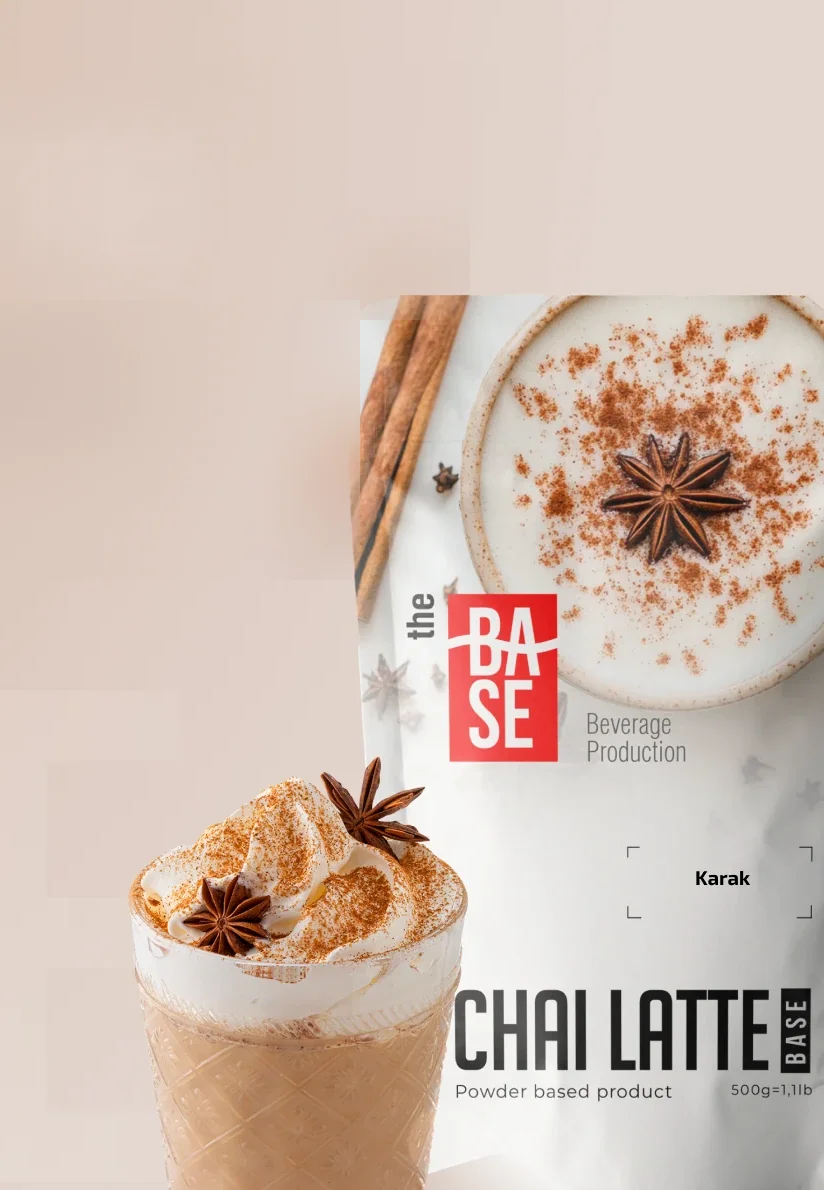
the Base produces dry beverage bases and pure powders in its own factory in the UAE, with Halal, HACCP and ISO 22000 certification. Because production is local, cafés in the UAE do not handle import clearance for these products. The range covers 600+ flavours across 24 product lines, including chai latte and chocolate bases, and is used in 5,000+ outlets in 26 countries. There is no minimum order, lead time starts from 15 days, and samples are free, so a procurement team can review the certificates and test the product before listing it.
FAQ
Does a café need its own halal certificate in Dubai?
Dubai's Food Code places halal control mainly on the ingredients a café buys rather than on the outlet itself. Confirm your specific position with Dubai Municipality, especially if you serve any non halal items.
Is a foreign halal certificate accepted in the UAE?
Yes, if the issuing body is registered by MoIAT for that product field. A certificate from an unregistered body is not accepted.
Does one certificate cover a supplier's whole range?
Only the products and sites printed on it. When a supplier adds flavours or a new plant, ask for the updated certificate before ordering.
Are plant based drink powders automatically halal?
No. Colours, emulsifiers and flavour carriers can still be of animal or alcohol origin, and any halal claim still needs a certificate from a registered body.
Request free samples and our certification details at /contacts, or visit the showroom in Al Quoz Industrial Area 2, Dubai, Monday to Saturday, 9:00 to 18:00.